
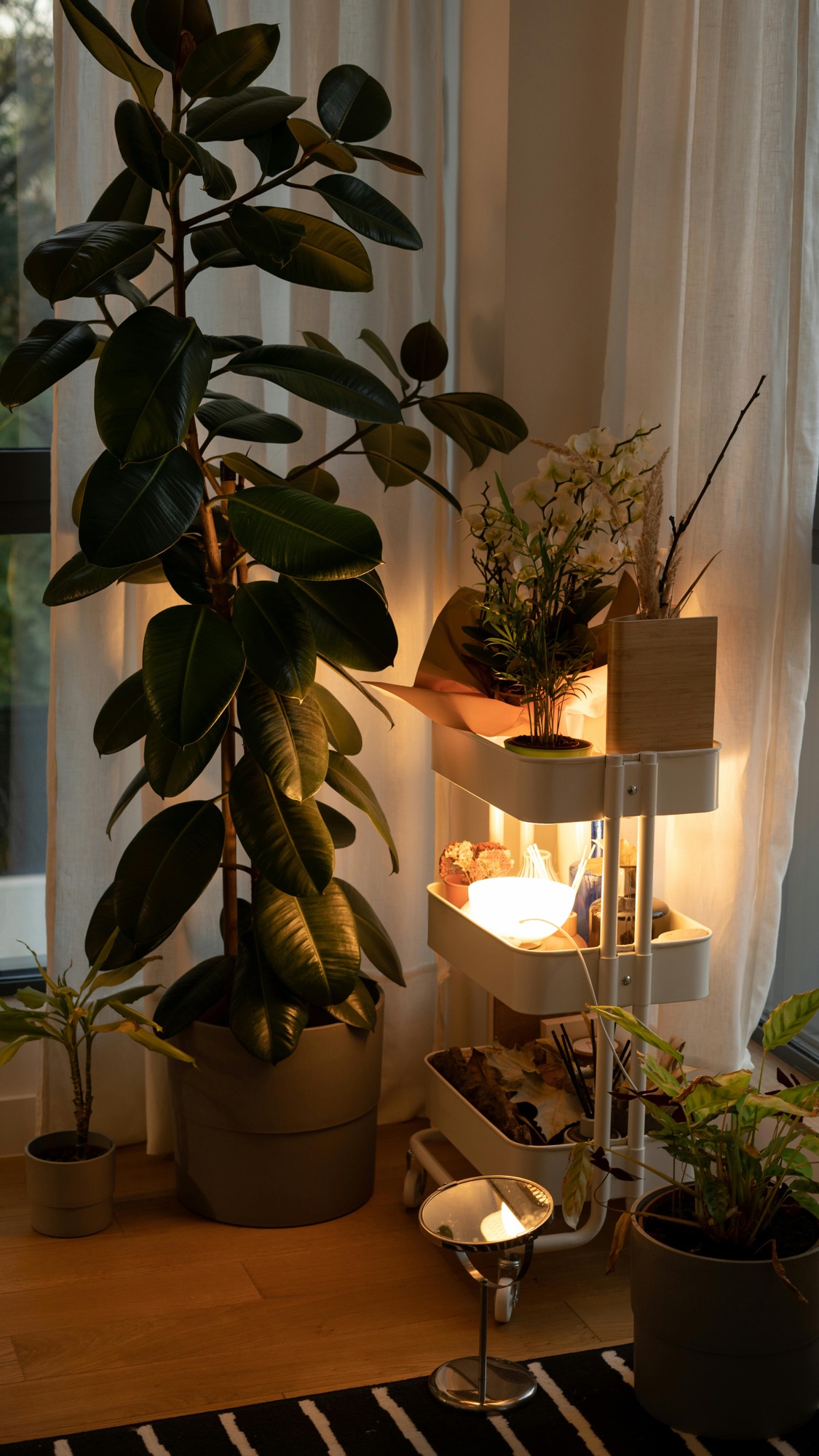
When I was in the depths of chronic illness—managing epilepsy, post-concussion syndrome, and relentless fatigue—I started paying closer attention to the environment inside my home: air, light, noise, clutter, sleep, and the products I brought into the space.
I do not think a home needs to become a perfectly controlled “healing environment.” I do think our surroundings can make healthy routines easier or harder. These are practical changes I have made because they help me create a calmer, more comfortable place to live and recover.
Why the Home Environment Matters
Indoor air quality, excessive nighttime light, noise, temperature, and some chemical exposures can affect comfort, sleep, respiratory health, and overall well-being. A home that feels orderly and restorative can also make it easier to maintain healthy routines.
1. Bring Nature Indoors
I like keeping plants and fresh herbs around my home because they make the space feel more alive and connected to nature. Houseplants should not be treated as substitutes for ventilation or proper air filtration. In the kitchen, herbs such as cilantro, mint, and rosemary also give me fresh ingredients I can use.
Use Natural Light
I try to get outdoor or bright natural light early in the day and reduce bright light later in the evening. Light is one of the major signals that helps regulate circadian timing.
2. Choose a Calmer Visual Environment
I prefer greens, blues, earth tones, and warmer neutrals because I find them calming. Color preferences are personal. When painting or renovating, I also prefer lower-VOC products when practical to reduce unnecessary indoor emissions.
3. Be Thoughtful About Fragrance
I have moved away from synthetic air fresheners, plug-ins, and heavily scented products. I sometimes use essential oils because I enjoy particular aromas, but they are concentrated substances and are not automatically harmless or appropriate for everyone.
4. Reduce Clutter and Visual Noise
I function better when my surroundings are reasonably organized. Decluttering does not “detox” a room, but reducing visual noise can make a space easier to use and remove one more source of distraction or stress.
5. Create a Place for Prayer and Quiet
I keep a designated space for prayer, Bible reading, and quiet reflection. Faith is part of how I navigate health and adversity, so giving it physical space in my day has practical value for me.
6. Pay Attention to Air and Water Quality
For air quality, I use ventilation when outside conditions are appropriate, use HEPA filtration in important living areas, and try to limit unnecessary sprays and heavily fragranced products.
For drinking water, I prefer filtration and choose systems based on the contaminants actually relevant to the water supply. Different technologies remove different contaminants, so testing data and certified performance matter more than marketing claims.
Affiliate disclosure: As an Amazon Associate I earn from qualifying purchases. See the Affiliate Disclosure for details.
I keep a curated collection of home and lifestyle products I use or consider useful.
7. Protect the Sleep Environment
I keep my bedroom dark, quiet, and comfortably cool and limit unnecessary electronics and bright light around sleep. Those basics matter more to me than turning sleep into another complicated optimization project.
Small Changes, Compounding Value
You do not need to renovate your home or become afraid of ordinary exposures. Start with changes that solve a real problem. A healthier home is not about perfection; it is about making the environment support the habits and routines you are trying to build.
Keep Building the Foundations
The free Lifestyle Foundations Essentials Guide brings the core daily practices together in one practical place.
Disclaimer
Content on Natural Vitality Advocate is provided for educational and informational purposes and may include research-based discussion, personal experience, and opinion. It is not medical advice and is not a substitute for individualized care from a qualified healthcare professional. Always discuss your specific health needs, diagnoses, medications, supplements, treatments, or major health decisions with an appropriate healthcare professional. See the full Disclaimer for additional information.